How to Create a Home Exercise Program Patients Will Actually Follow

By Cole Bausch, PT, DPT, OCS
July 15, 2026 · 4 min read
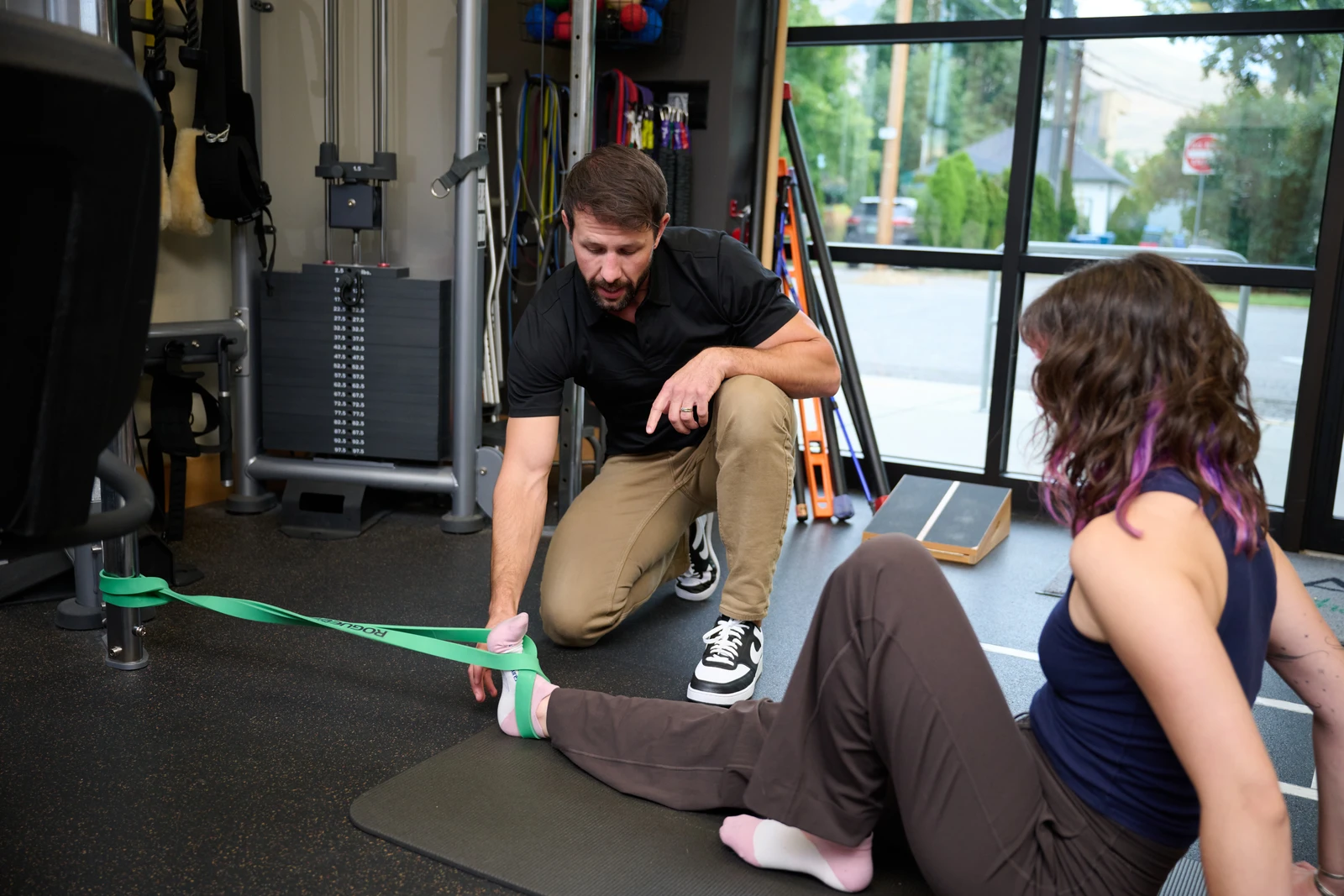
A home exercise program (HEP) carries your plan of care into the six days a week your patient isn't in the clinic. It only does that if the patient can remember what to do, understands why, and can tell when they're doing it right. Most HEPs fall short on one of those three, not on exercise selection.
This guide walks through building a HEP that holds up once the patient gets home: what to include, how to write cues that make sense without you in the room, and how to deliver it so it gets opened.
1. Start from what you did in the session
The best HEP exercises are ones the patient has already done with you. They have felt the movement, heard your cues, and had their form corrected. Asking someone to start a brand new exercise from a written description is asking them to learn it alone.
Before you build the program, list the exercises you actually taught today, and the one or two corrections you made on each. Those corrections are the most valuable part of the HEP.
2. Keep it short
A program with three to five exercises is far easier to follow than one with twelve. Every exercise you add makes the session longer and makes it easier to skip.
Ask yourself what the patient needs to do between now and the next visit, and leave the rest for the clinic. You can add and progress exercises at every visit.
3. Write cues in the patient's words
Clinical cues ("maintain a neutral spine", "avoid knee valgus") are precise for us and vague for most patients. The cues that stick are usually the ones you said out loud in the session, in plain language:
- "Keep your heel on the floor the whole time."
- "Your knee should point over your second toe."
- "Stop if the pain goes above a 3 out of 10."
Two or three cues per exercise is plenty. Lead with the one that matters most.
4. Make the parameters unambiguous
Sets, reps, holds and frequency are where patients most often guess. Spell them out the same way every time:
- Sets and reps: "2 sets of 10"
- Holds: "hold 30 seconds, rest 10 seconds"
- How often: "once a day" or "every other day", not "regularly"
If an exercise should change as it gets easier, say how: "when 10 is easy, go to 15."
5. Show the movement, ideally their own
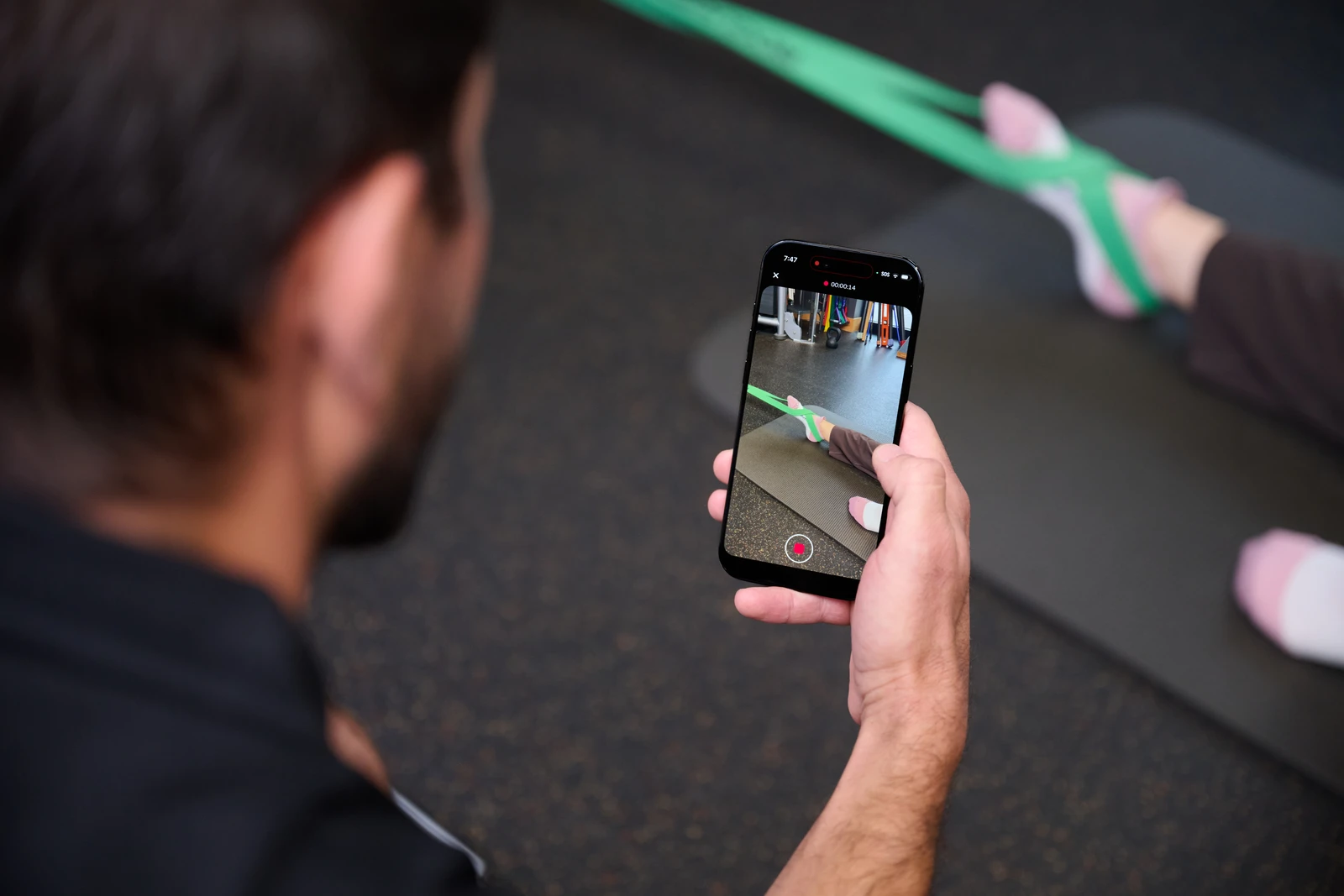
Stick figures and stock photos show the shape of an exercise, not the patient's version of it. Video is clearer, and video of the patient doing the exercise in your clinic is clearest of all: it shows their setup, their equipment, and the correction you made.

This is the idea behind ProperForm. You record the patient performing each exercise during the session and talk through your cues as you normally would. ProperForm AI turns what you said into a structured program, with the name, parameters and cues filled in for you to review and edit, in about three seconds. You stay in control of everything that goes in.
6. Explain the why in one sentence
Patients are more likely to keep going with an exercise when they know what it's for. One sentence per exercise is enough: "This builds the hip strength you need for stairs."
7. Deliver it before they leave
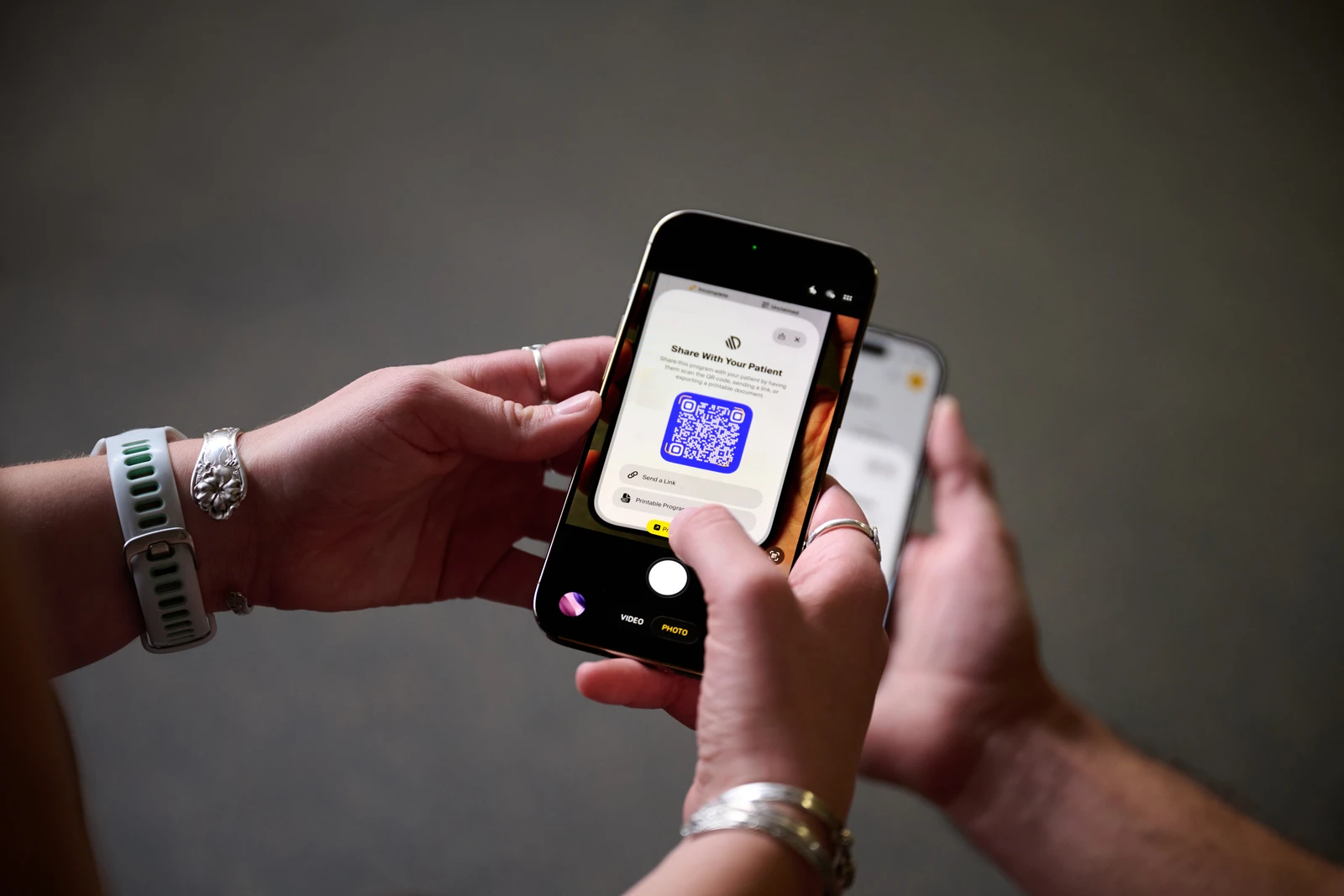
A HEP emailed that evening competes with everything else in the patient's inbox. Hand it over in the room instead, and have the patient open it on their phone while you're there. That way you know it works on their device, and you can answer questions on the spot.
With ProperForm, the patient scans a QR code to open their program in the app (iOS or Android), so the handoff takes seconds.
8. Check understanding, then follow up
Before they leave, ask the patient to show you one exercise from the program, or tell you how often they'll do it. At the next visit, start by asking how the program went: what was hard, what they skipped, what didn't make sense. Their answers tell you what to change.
A quick HEP checklist
- Three to five exercises the patient has already done with you
- Two or three plain-language cues per exercise
- Sets, reps, holds and frequency written the same way every time
- A video for every exercise, ideally of the patient
- One sentence on why each exercise matters
- Delivered and opened before the patient leaves
Try it on your next patient
ProperForm is HIPAA compliant and free to start: the Health Free plan includes 5 programs a month, and Health Solo removes the limits for $24.99 a month. Get started for free.